
The Marangu Route, nicknamed the "Coca-Cola Route," is Kilimanjaro's most popular and only route offering sleeping hut accommodation instead of camping. This classic path approaches from the southeast through beautiful rainforest, moorland, and alpine desert zones.
While often considered the "easiest" route due to hut comfort and gradual gradient, Marangu's 6-day variant still requires good fitness and proper acclimatization. The extra day at Horombo Huts significantly improves summit success rates. This route ascends and descends via the same path, offering familiarity but less scenic variety than other routes.
Begin at Marangu Gate where you'll register and meet your mountain crew. The Marangu Route is Kilimanjaro's oldest established path, with well-maintained trails and good facilities throughout.
Trek through dense montane rainforest on wide, gradual paths. The forest teems with life—colobus monkeys leap through canopies, exotic birds call from the trees, and unique flora thrives in the humid conditions. The well-established trail makes for comfortable walking.
Arrive at Mandara Huts (2,700m), your first night's accommodation. These A-frame huts provide bunk beds (60-bed capacity), communal dining areas, and flush toilets—significantly more comfortable than camping. Hot drinks and meals are served in the dining hut.
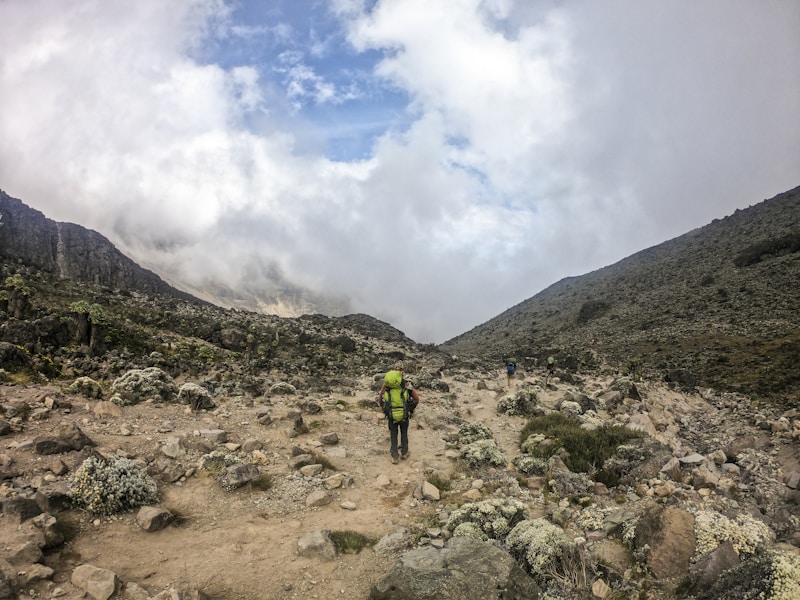
Leave the rainforest and ascend into the heath and moorland zone. The vegetation transitions dramatically—giant heathers, unique lobelias, and groundsels create an otherworldly landscape. Views open up with Mount Mawenzi visible to the east.
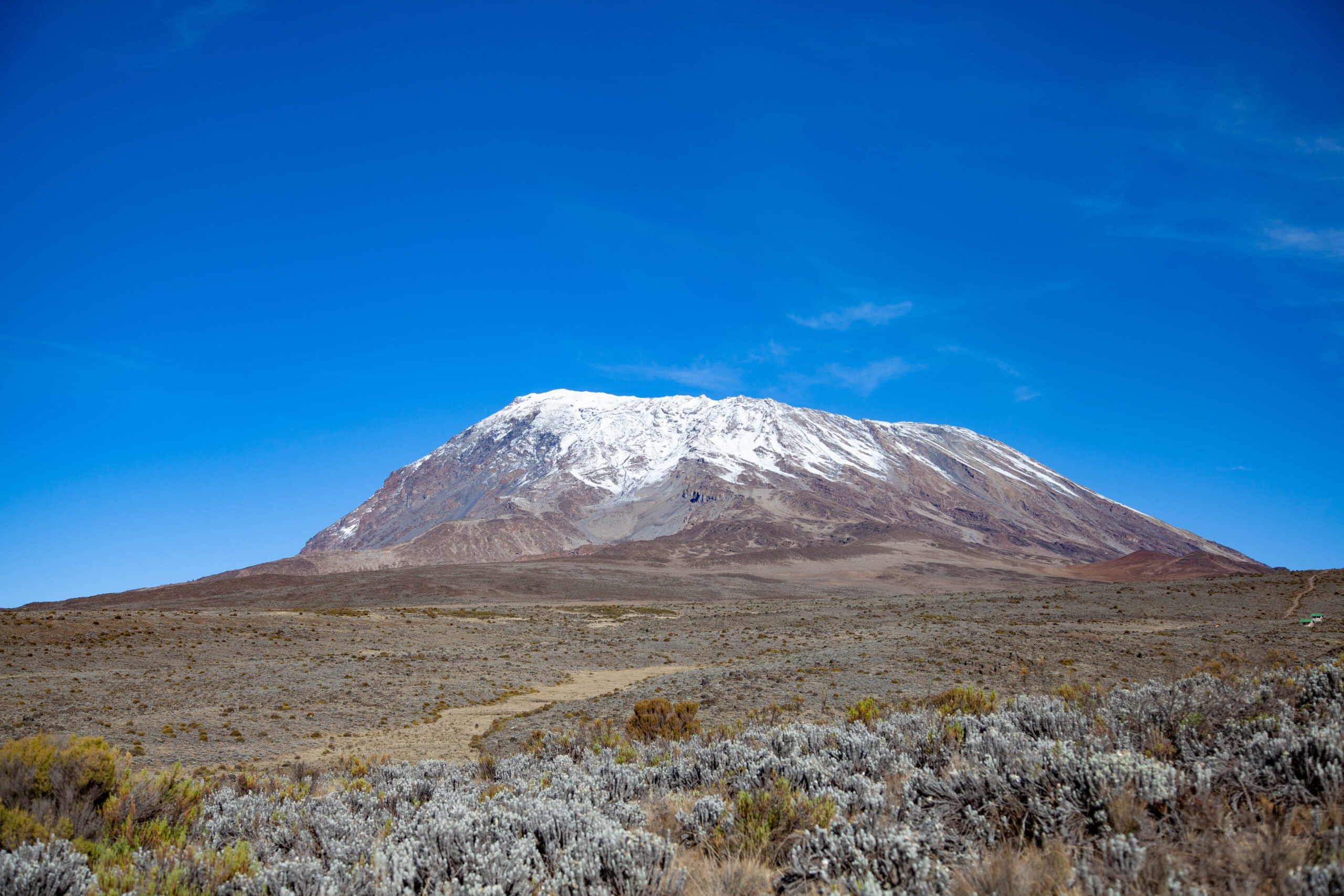
The trail climbs steadily across open moorland with increasingly spectacular mountain views. On clear days, see both Kibo and Mawenzi peaks. The landscape becomes progressively more barren as you gain altitude.
Horombo Huts (3,720m) sit in an alpine meadow with stunning views of Kibo and Mawenzi. This large complex (120-bed capacity) offers the same hut comforts as Mandara. Many trekkers begin feeling altitude effects here—mild headaches and breathlessness are normal.
Today's acclimatization hike to Zebra Rocks is crucial for summit success. Trek toward Mawenzi (the jagged peak east of Kibo) through increasingly barren alpine desert. This "climb high, sleep low" strategy significantly improves acclimatization.
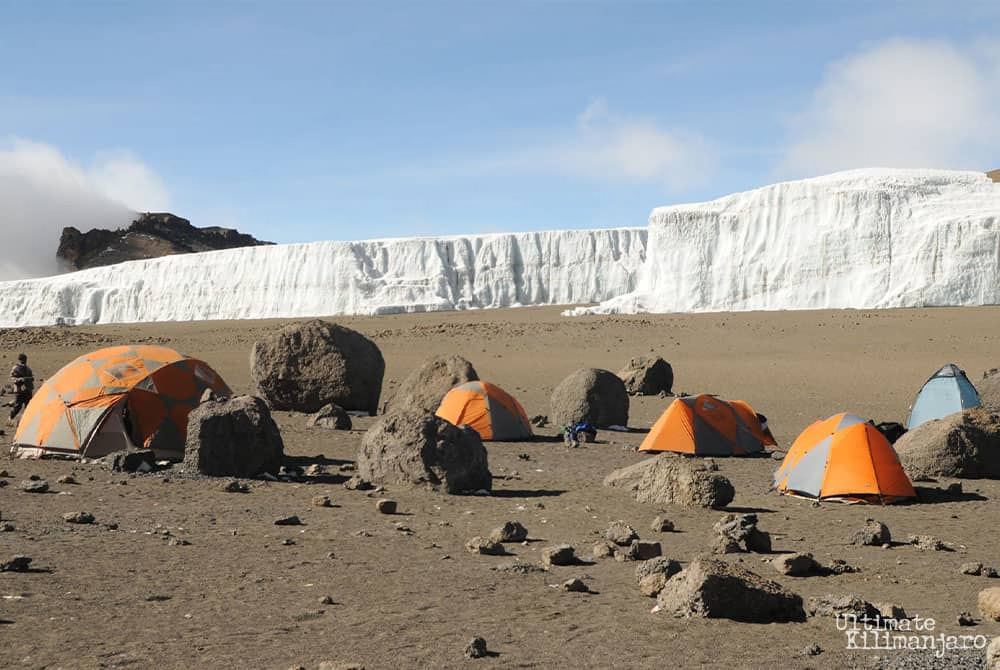
Reach Zebra Rocks (4,390m) where black volcanic rock is streaked with white ice crystals—hence the name. At this altitude, vegetation is virtually nonexistent and breathing noticeably harder. Spend time here allowing your body to adjust.
Return to Horombo for a second night at 3,720m. Despite the same sleeping elevation, your body has benefited from exposure to 4,390m. This extra day is why the 6-day Marangu has significantly better summit success than the 5-day version.
Trek across the "saddle"—the vast, barren plateau between Mawenzi and Kibo peaks. This stark, lunar landscape is utterly devoid of vegetation, with only volcanic rock and dust stretching for kilometers. The environment feels alien and harsh.
The trail crosses this high-altitude desert with Kibo Peak looming larger ahead. Afternoon winds often pick up, making this section challenging. Move slowly (pole pole), stay hydrated, and pace yourself—the altitude affects everyone here.
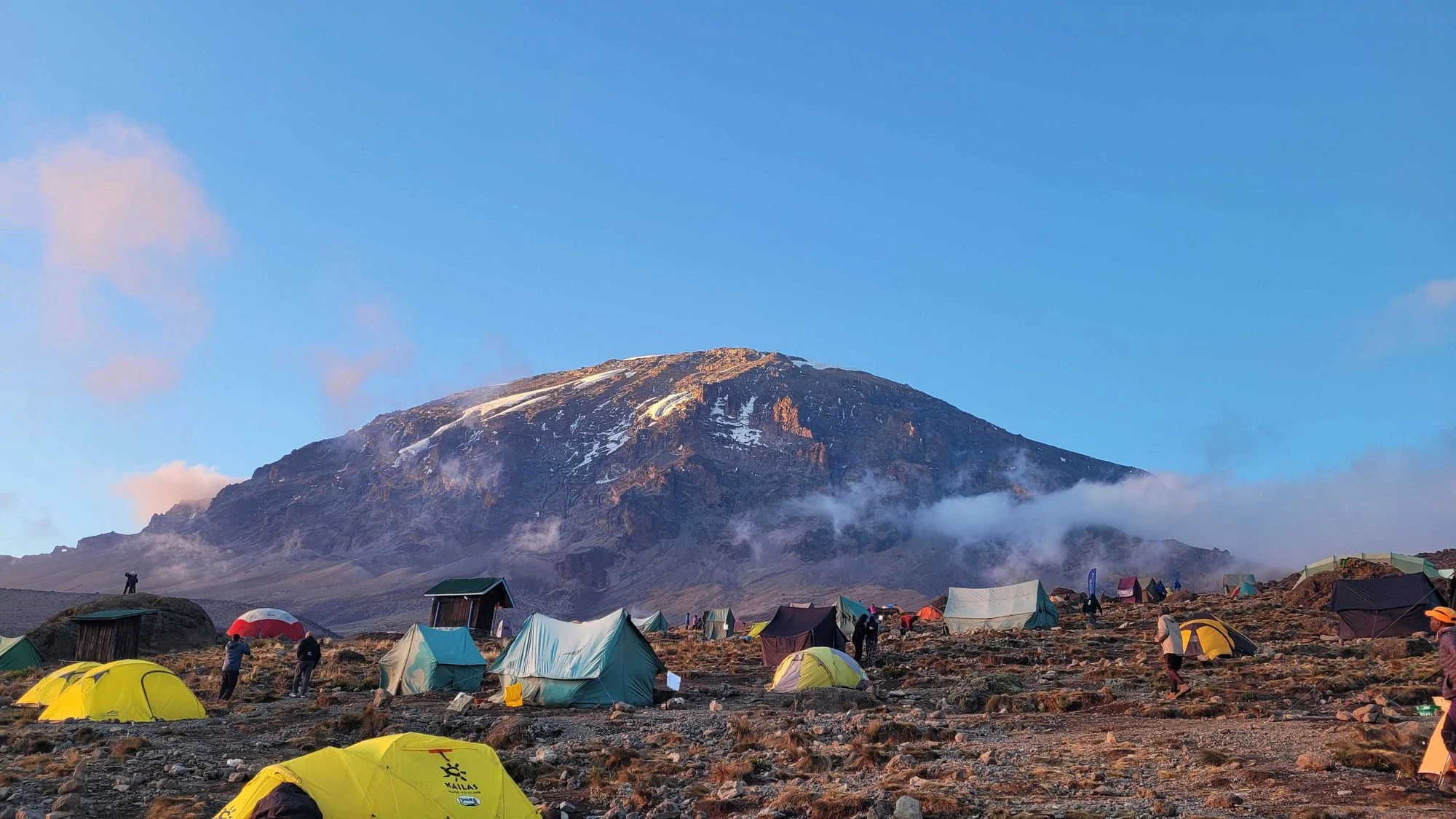
Kibo Huts (4,700m) provide basic accommodation at the base of Kibo's final cone. Conditions are Spartan compared to lower huts—cold, crowded, and at serious altitude. Most find it impossible to sleep due to elevation, anticipation, and discomfort. Rest as much as possible before tonight's midnight summit attempt.
Summit night begins around midnight. Ascend steep scree slopes using switchbacks toward Gilman's Point (5,681m) on the crater rim. Progress feels painfully slow—the altitude, cold (-20°C), and darkness test your mental strength. This is where determination matters most.
Reach Gilman's Point at sunrise—a spectacular moment watching dawn break over Africa. From here, traverse the crater rim for 1-2 hours to Uhuru Peak (5,895m)—Africa's highest point. Stand on the Roof of Africa and celebrate your achievement!
Descend carefully to Kibo Huts for brief rest, then continue down to Horombo Huts. Today's marathon trek covers 21km and 2,175m descent—exhausting but rewarding. Arriving back at Horombo feels luxurious after summit conditions.
Your final descent retraces the ascent route through moorland and rainforest to Marangu Gate. Despite tired legs and the long descent, spirits are high—you've conquered Kilimanjaro! The descent can be tough on knees; use trekking poles and pace yourself.
Pass through Mandara Huts one final time, then descend through the lush rainforest where your journey began. The thick, oxygen-rich air feels wonderful after days at altitude. Birds, monkeys, and the jungle atmosphere welcome you back to lower elevations.
At Marangu Gate, sign out and receive your summit certificate—a treasured memento. Say goodbye to your mountain crew and tip generously for their hard work. Transfer back to Moshi for celebration, hot showers, and rest!
All prices are per person. Group discounts available for 4+ climbers.
Price includes: All park fees, hut fees, rescue fees, professional mountain guides, porters, cook, hut accommodation, all meals on mountain, drinking water. Excludes: Tips, personal gear, flights, visa, insurance, hotel accommodation.
Sleep in mountain huts with bunk beds, dining halls, and basic amenities instead of camping in tents.
Steady gradient and well-maintained trails make Marangu the most accessible route for first-time climbers.
The 6-day variant includes crucial acclimatization day at Horombo, significantly improving summit success.